Showing posts with label goldstream park. Show all posts

8/22/2020

Standing Up For Big Trees In Fairy Creek Valley


"If you wanna see real change, you're gonna have to stand up for it."

- Old growth protector at roadblock camp


Old growth forest protectors are standing up for big trees near Port Renfrew (Big Tree Capital of Canada) and blockading the construction of new logging roads into Fairy Creek Valley, the last pristine valley outside of a park on southern Vancouver Island.

In a saner world we would not allow the destruction of such a treasure on Vancouver Island's south coast. But we don't live in a sane world. 

Yet. 

When those that work for us in government fail in their responsibility to protect what is collectively ours, it is up to us to be the real stewards of the land, and protect its inherent right to be. 

If our public servants in government won't speak for a voiceless and defenceless nature, we have to.

Case in point is what is happening outside of Port Renfrew, town to an area long known for its (disappearing) big trees. There, just a few kilometres outside of town, Teal Jones is hacking through previously unhacked forest on their way to get to a pristine valley of big, ancient trees. 

The valley contains an ancient forest that has existed, relatively unchanged, since the last ice age, 10,000 years ago. It is a unique, irreplaceable ecosystem.

Some of the ancient yellow cedars there could be upwards of 2000 years old. 

Cutting trees that old in 2020, when we know better, should be an obvious crime against nature, and all around excellent example of the ongoing ecocide currently plaguing our planet.

Show me nature that has been preserved and protected from industrial butchery, and I will show you a scrappy, dedicated group of caring people that put their bodies on the line to do what is right.

It was such citizen groups dedicated to direct action that saved places like Clayoquot, Elaho, Stein Valley, Carmanah, Strathcona Park, and so many more beautiful places.

Respect, and a heartfelt thanks, to everyone on the Fairy Valley logging road blockades.

We appreciate you standing up for some of the last remaining old growth on south Vancouver Island. 

We support you 100%.


5/10/2014

Dead Wood Is Good Wood

A large diameter fallen tree along Upper Goldstream Trail in Goldstream Provincial Park. Over hundreds of
years the fallen Western red cedar will provide nutrients for the large Douglas fir behind it.


In the Pacific rainforest dead standing and fallen trees may make up more biomass than the living giants towering above the soil. If it weren't for these dead trees, and the decomposers that break them down, the forest would cease to exist.


According to renowned forester Chris Maser, ‘decaying wood serves as a savings account of soil organic materials and nutrients in forest ecosystems’. This is one reason landowners should not try to "clean up" forested areas. They need to be messy in order to function properly.


Sometimes messy old growth forests are deemed "decadent" to justify cutting them down. But you can't improve on the natural cycles of life and death.


Fallen large trees enhance fish habitat by providing shade and structure.
These downed trees are over the upper Goldstream River.


Dead wood is also a boon to forest wildlife.

In the words of forest scientist Charles Elton, "dying and dead wood provides one of the two or three greatest resources for animal species in a natural forest...if fallen timber and slightly decayed trees are removed the whole system is gravely impoverished of perhaps more than one fifth of its wildlife component".

The healthiest forest is an untouched forest, in all its messy, "decadent" glory.


7/30/2012

Goldstream Park: Accessible Old Growth

Accessible old growth forest just 30 minutes from downtown Victoria, 
Goldstream Park (day use area)
There is nowhere else in the Victoria region that I know of that a person can as easily access as many big trees as in Goldstream Park. It is unfortunate that this amazing, small bit of remnant old growth is split by the busy Trans Canada Highway, but don't let the road noise stop you from enjoying this living museum.

In comments on past posts here, VIBT reader and big tree guy, Samuel Bednarski, has noted the champions among the 800 year old trees in Goldstream Park.
"Goldstream still holds the crown for Victoria area big trees at 80+ meters. There are cedars that reach 72 meters, and the tallest Douglas-fir is 82 meters. There are many 70+ meter tall trees, especially off the highway."
"A few hundred metres south of where the Trans-Canada Highway meets Finlayson Arm Road, there is a grove of trees on the east side of the road that I have not measured, and are about 80 metres tall." 
Those are some pretty impressive numbers. Are these the tallest trees in the CRD? Samuel thinks so, and he should know - he has a laser device for easy and accurate measurement of trees, and has used it here.

Looking up the trunk of a Goldstream Park old growth Douglas-fir

The day use part of Goldstream contains many huge trees that one can drive or walk right by, and there are several trails for hiking. The primeval forest still dominates here, and is populated by gigantic, ancient Western red-cedar, Douglas-fir, Bigleaf maple, Grand fir, and Black cottonwood.


Broken Western red-cedar surrounded by Bigleaf maple along Goldstream River

This is part of the 1% of the old growth Coastal Douglas-fir forest that remains after 150 years of depletion. 99% of the trees outside of parks have not been so lucky. Goldstream Park and places like it exist to remind us of what we have lost. Hopefully they also provide the inspiration and motivation to  stop the continued destruction of the tiny bit of old growth that remains.


Day use area parking lot - big tree drive through


There remains a lot to be discovered in this island of old growth. Check it out - spend a day in a temperate rain forest with trees that were already large when Europeans were living in walled cities, and errant knights in shining armour roamed the countryside.

For more information see here.

9/23/2011

Nurse Stump

Nurse stump in Goldstream Park, Victoria
The rain forest is a rich, green vertical column of rapidly growing life. Here some of the biggest trees in the world thrive in the moderate, wet climate. Year round the growth and the life continues, carpeting everything in a thick, luxuriant moss. Everywhere you look there are things growing on other things.

The nurse stump above is of an ancient Western red-cedar. Hundreds of years old when it died, the wood is so rot-resistant that it could last hundreds of years more as a stump. Before the cedar stump breaks down it may be engulfed by the new cedar growing on it.

Nurse logs, nurse stumps, and abundant epiphytes (plants that grow on other plants) - everything is growing on everything in the coastal rain forest.

4/25/2011

Goldstream River Fuel Spill

Goldstream River cleared of  life after 40,000 litres of gasoline spilled into it
On April 16th, during the anniversary week of the BP oil spill, a Vancouver Island fuel truck driver celebrated by having a few (allegedly), then crashing his truck spilling over 40,000 liters of gasoline and diesel on the Malahat highway 17 km from Victoria.

The Malahat, named after local First Nations, is a section of Highway 1 that runs along Saanich Inlet, and is described as a "famously winding and steep route". It passes through much-loved Goldstream Provincial Park which contains ancient forest and one of the most productive salmon streams on Vancouver Island.

Fuel trucks coming from terminals in Nanaimo laden with tens of thousands of liters of fuel are on the highway most days delivering the fuel that area residents use. All of these trucks, loaded with their toxic cargo, use the heavily commuter-laden twisty route. It is inevitable that such a crash would occur sooner or later, and when it happened, it happened in one of the worst possible locations.

Over 40,000 liters of gasoline, and smaller amounts of diesel, spilled from the crumpled tanks into a roadside ditch. The hydrocarbons fouled a ditch that drained into the Goldstream River. The spilled fuel flowed into the river, and eventually into Finlayson Arm, where a slick was seen shortly after.

It is not known how the spill will impact the area in the long run. In the short term though, it appears that all life in Goldstream River below the spill was wiped out. Some plant life immediately alongside the river was also killed instantly. Can the fuel move laterally through the soil threatening some of the big trees?

Local First Nations, that have relied on the area for thousands of years for fishing, hunting, and the collection of medicinal plants, could be facing years of impacts from this unfortunate poisoning.

It is sad to note that much of the news since this tragic accident has been about inconvenienced commuters left stranded after the only route up-island was closed for the clean-up operation. Commuters that use the fuel that is trucked over the Malahat, some of which ended up fouling a major natural resource the day of the crash.

Columbia Fuels, the company responsible, has generously offered to compensate all those inconvenienced commuters. As far as I know, to date they have not offered to compensate First Nations. I doubt, also, that they will find compensation for the school groups that were planning to release salmon fry this week into the now-tainted river.

Nor have I heard anything about how they will compensate the trees for the loss of the nutrient boost of thousands of spawned out salmon. Or how they will compensate the thousands of eagles that come here to fatten up on salmon every fall.

3/21/2011

Goldstream Park Day Use Area: Ancient Cedars

The fattest of the ancient cedars in Goldstream Park Day Use Area on trail to Nature House
Goldstream Park is a magical place, a tiny remnant of the once mighty Coastal Douglas-fir forest that covered a narrow strip along southeastern Vancouver Island. This is the closest old growth forest to a major urban center on Vancouver Island, and is only 30 minutes from downtown Victoria.

For thousands of years this was a quiet, tranquil place where the people of the Saanich tribe fished and hunted and celebrated. All that changed with the arrival of Europeans.

Park map with day use on upper right, and campground area on lower left

In 1863 the Goldstream River was the site of a gold rush, although it seems it never did live up to its name, and miners soon moved off to other local rivers such as the Leech River north of Sooke. There were also mines on the surrounding mountains for deposits such as copper.


Snowdrops at side of trail
In 1912 Malahat Drive (Highway 1/Trans-Canada) was constructed, replacing a steeper, more dangerous inland route. The Goldstream area was given park status in 1958.


The Malahat passes right through the park and its moss-covered trees towering far above the pavement. Both sides of the park offer excellent opportunities to see big trees and experience old growth forest.


Entering the Goldstream day use area on the east side of the Malahat, you will pass between two wide buttressed Western red-cedars that welcome visitors to the park. These trees are are about 800 years old, and could live for several hundred years more.

This area is a haven for many old growth big trees. Many are Western red-cedars due to the wet conditions on the floodplain of the river. There are also some impressive Bigleaf maple and Black cottonwoods to be found here.

The Goldstream River is known for its salmon and eagles every fall
The wide, gravel-covered accessible trails along the lower Goldstream River give the visitor a look at the cross sections of mighty giants that have fallen, as well as centuries old trees still growing vigorously. In March the skunk cabbage and snowdrops herald the coming of spring.

Upper Goldstream Trail is also a popular hike well worth checking out. This beautiful moderate hike winds along the river and through a small ancient forest of giant Douglas-fir and cedar. Giant fallen trees across the trail have been cut through to allow hikers to pass through its multi-ringed boles.

Check out the visitor center while you are enjoying the day use area. It can be found at the mouth of the Goldstream River. The centre (nature house) focuses on environmental education, which has not been publicly funded in parks since the BC government withdrew funding in 2003.

Every year the staff introduce thousands of people to the wonder and importance of this mossy, green, temperate rain forest. Let them, and this park, fill you with the magic that resides here.


View Goldstream Park in a larger map

8/09/2010

Upper Goldstream Trail Old Growth Trees


There are 17 provincial parks within 50 km of British Columbia's capital city, and shady, mossy Goldstream Park is one of them. It occupies the Goldstream River valley 16 km north-west from Victoria. Yet, once immersed in the forest, you are transported back to a time when monumental trees were common. Goldstream is one of the most accessible spots to get up close and personal with Vancouver Island's famous big trees.


Goldstream Park is one of the Capital Region District's most popular parks. Thousands of visitors a year come to see the fall salmon run, and the eagles that gather in the hundreds to prey on their spawned out carcasses.

Others come for the 700 year old trees, and a taste of the grandeur of an ancient forest.


Upper Goldstream Trail is in the campground side of the park, and passes through some of the biggest and oldest trees. This easy 30 minute hike parallels the Goldstream River, and is surrounded by a high density of old growth trees. Huge conifers such as Douglas-fir, Western red-cedar, and Hemlock dot the small valley. Broad-leafed trees such as Big leaf maple, Arbutus, and Black cottonwood are also represented in the park.


It was very hot the day I walked through the park approaching the Upper Goldstream trail head. The trail winds its way up the river valley alongside Goldstream River, which is criss-crossed by huge fallen trees. Large ferns cover the forest floor, and lichens drip from ancient branches. Sunlight penetrates the dark of the forest in brilliant shafts, nurturing the saplings that will eventually replace the old trees.


The temperature dropped several degrees after I entered the forest. All around the forest looked shaggy, drippy and green. Moss and lichen hung everywhere.


Some of these massive trees are 600 - 700 years old. It is an amazing feeling to be surrounded by these sky scraping monuments. The vertical scale is all out of whack.


What is it about these ancient entities that draws us to them? Somehow their stillness, strength, and defiance of temporal boundaries works its magic on us. We are humbled at the base of their wide, wrinkly trunks. We love them, admire them, and are astounded by them.


Increasingly we are able to recognize their irreplaceable importance, too. That someone in the past thought that this forest was worth protecting is a boon to all of us now. The old growth forests we save today will be appreciated and enjoyed by future generations.


Large diameter woody debris lay all around, and enormous standing snags provide feeding stations and bird condos 20 stories tall. In this forest all ages of trees are represented, from seedlings to seniors. It is here that we find the greatest diversity of life - it just does not compare with second growth tree plantations that are all one age of trees, and are sprayed with herbicide to make the fiber farms more 'productive' and profitable.


The Douglas-fir and Western red-cedar are the largest trees along the trail. Along with Hemlock, the hiker will find enough old trees to keep you looking up and astounded.


No proper Vancouver Island old growth trail would be complete without the 'walk through the fallen log' feature, and the Upper Goldstream trail does not disappoint.


Eventually the trail leads to Goldstream River Falls. Cool, fresh water rushes and tumbles down the steep valley. Florescent green moss covers everything, and ferns luxuriate in the wet, humid micro-climate. It is this clean, cold water that keeps the salmon run going after thousands of years.


Upper Goldstream Trail is the most accessible old growth forest closest to Victoria. While in this forest you get the illusion that you are in an ecologically intact area - an area where nature and the forest rule. Alas, though, Goldstream Park is surrounded by development and encroachment continues unabated. This valley is unfortunately much smaller than it initially feels.


Although I didn't see anyone the day I hiked, this trail is heavily used. The forest floor has been trampled by visitors that know not the importance of staying on the designated path. However, it remains an impressive remnant of old forest and gives the visitor a good idea of what it must have been like on the south island before 98% of the Coastal Douglas-fir zone was razed in massive clear cuts.

Need a retreat from the city? Goldstream Provincial Park is a good place to get away from it all, just minutes from downtown. If you squint a bit, and pretend there aren't houses just up over there, you can get lost for a while in this lush, green place.


Getting There

Goldstream Provincial Park is located about 16km from Victoria. To get to the Upper Goldstream Trail head follow Highway 1 (Trans Canada Hwy.) north. Take the Westshore Parkway turnoff to Amy Road, then Sooke Lake Road to Golden Gate Road, which descends into the campground section of the park. There is only pay parking in the park so I park at the top across the street from the pub and walk in.

The entrance to the day use area is further along Highway 1, then turn right at Finlayson Arm Road. There are nice Western red-cedar here, as well as huge Black cottonwoods along the Goldstream River. Note: The access to the park's day use area is along busy Highway 1. Exercise extreme caution when entering and leaving this busy area.


View Larger Map

6/22/2010

Visit The Big Trees

I just posted a new page for VIBT which is accessed by a button under the banner. It is called "Visit The Big Trees", and in it I list some of the big tree places that I have visited, or would like to visit.

It is my hope that this list will encourage others to visit these ancient trees and endangered places. Some locations are in parks, others are on private land. A few are currently threatened by ongoing logging. By visiting these places we can recognize their importance and work toward preserving them.

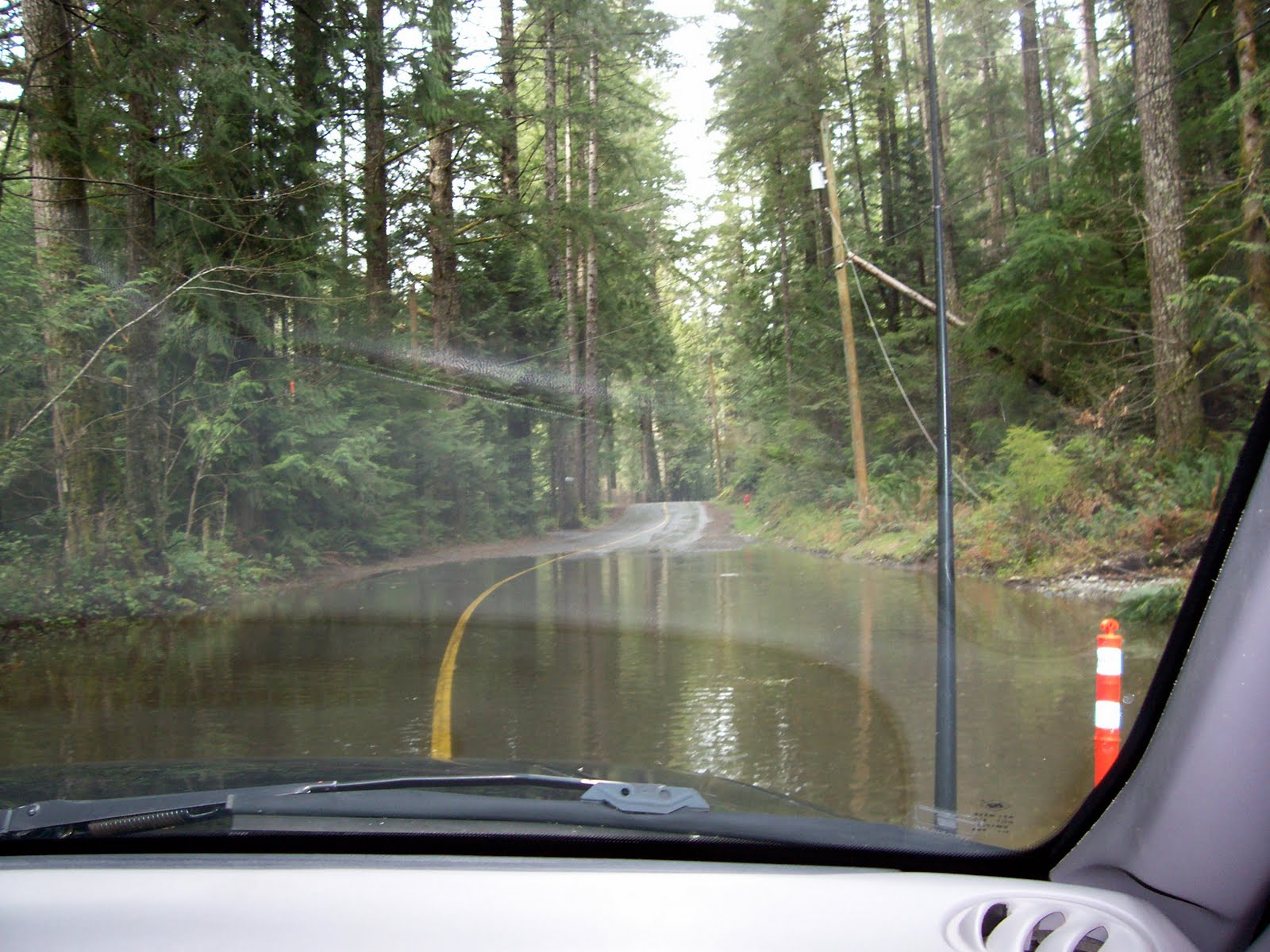
Most of all, I want to introduce people to a beauty that is unparalleled globally. Vancouver Island has some of the most beautiful trees and forests on the planet. Plan to go see them, and prepare to be blown away. Be wary of wild and natural locations. And big puddles.

Link to the 'Visit The Big Trees" page here.

5/08/2010

Goldstream Provincial Park's 600 Year Old Trees


Goldstream Provincial Park is an area of old growth forest just 16km from downtown Victoria. This towering green haven has two components - a day use area and a campground. The two parts are separated by Highway 1. Goldstream River runs through them both and supports a strong salmon run.

These photos are from the campground area which is dotted with old Douglas fir, Grand fir, Hemlock, and Western red cedar. Even larger trees are accessible by hiking the Upper Goldstream Trail. Several of these trees are well over 600 years old.


Look up, way up. A fat Douglas fir reaches for the sky.


Deeply furrowed, moss-covered trunks are scattered throughout the park. The massive Douglas fir and western red cedar are mixed with western yew and hemlock, red alder, big leaf maple and black cottonwood. Some of the Black cottonwoods in the day use area are very large. This time of the year the cottonwoods are flowering and smell like sweet spring time.

Goldstream Provincial Park is a tree lovers haven and a precious sanctuary for pavement pounders looking for a quick nature fix in natural, quiet surroundings.

6/04/2009

Goldstream Park: Salmon-fed Big Trees


Few major urban centres anywhere enjoy the easy access Victoria, BC has to an old growth forest area, let alone a protected one. The city is only 16 km away from Goldstream Park, a place where you will find an active spawning river as well as ancient trees. Many of the trees in the park are older than 10 human lifespans. This area represents a tiny, tiny fraction of what was once one of the mightiest forests on the planet, and even this protected bit is under attack.

Human "progress" threatens forested areas everywhere, including land within the Goldstream watershed. Crown land adjacent to Goldstream was sold by the BC Liberal government to Western Forest Products in 2001. WFP then sold the land for Bear Mountain resort, and it is being rapidly developed with high rise condo towers (ranging from 27 to 45 stories), five thousand square foot houses, and a golf course. An interchange being built solely to service this "mountain top removal" neighbourhood required an endangered Garry Oak grove to be destroyed. The Garry Oak ecosystem is one of the most threatened on the south island. Now "Bare Mountain II" is rearing its ugly head. The fish, trees, animals and insects of Goldstream Park are threatened by this encroaching cancerous mass.

You might think that salmon have nothing to do with trees, but for thousands of years the mighty salmon has fed the giants of the Pacific coastal forest. Spawned out salmon carcasses feed trees beside waterways. Floods and feeding bears transport carcasses deeper into the forest. Blue ocean is converted into green forest in an endlessly repeating cycle. Our poor choices threaten this system.

Scientists estimate that up to 75% of the nitrogen in trees beside salmon bearing waterways is from the ocean, delivered by the salmon returning to their home forest. This is a significant contribution to trees such as the ones you will find at Goldstream. The trees help the salmon as well in a mutually beneficial relationship. The big trees purify water, moderate drought and flood, and create an environment in which streams can build deep pools and clean gravels where salmon can successfully spawn and rear.

The state of the salmon on the coast is pretty grim, much like the state of the remaining old growth forests. The ultimately sustainable, healthy food of the ocean has been mismanaged and is now in danger of immanent collapse. Open pen salmon farming with Atlantic salmon is not the answer either, and it seems to be taking an active role in the loss of native species. Urban development and the continued liquidation of easily accessed valley-bottom old growth forests add to the salmon's demise.

A short 20 minute drive will take you from downtown Victoria office towers to the towering trees and quiet of Goldstream Park. In the valley bottom of the day-use area grow enormous 600 year old Western red-cedars. Huge Black cottonwoods stake out moist territory closer to the estuary. The estuary supports up to 60 000 returning chum salmon in a season. This concentration of available protein attracts huge numbers of eagles, some years numbering in the hundreds. Eagles congregate in the park area from December to February.

Among the biggest trees in Goldstream are Grand fir, Black cottonwood, Douglas fir (one of which has a 2.07m diameter trunk at breast height), and Western red-cedar (one with a 5.63m diameter trunk at ground level). The trails around the campground areas hold even larger Douglas fir specimens. The Upper Goldstream Trail takes a hiker through some of the largest and oldest trees in the park.

Salmon and forest depend on each other. And we depend on them. Can they depend on us?